Abstract Presenter: Antonio Tonutti, MD, Rheumatology Fellow in Training, PhD Candidate, Department of Biomedical Sciences, Humanitas University, Pieve Emanuele, Milan, Italy; and Leeds Institute of Rheumatic and Musculoskeletal Medicine, University of Leeds, Leeds, United Kingdom
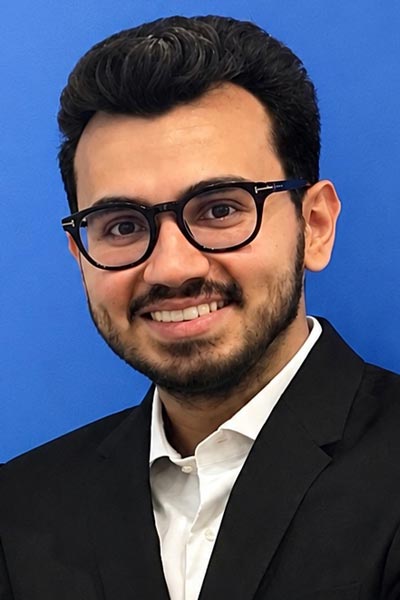
Abstract Session: Abstracts: Rheumatoid Arthritis – Treatment (1898-1903), 3–4:30 p.m., Monday, November 9
What is your abstract about?
Dr. Tonutti: B-cell depletion with rituximab failed to prove effective in a phase 3 trial, yet it is routinely used to treat patients with inflammatory myopathies, and predictors of response remain elusive. We adopted a cutting-edge method derived from hematology, highly sensitive flow cytometry, to detect minimal residual B-cell populations (naive, memory, and plasmablasts) early after the first rituximab infusion in patients treated for myositis. We found that the presence of residual B-cell subsets at an early time point (two weeks after the first infusion) was associated with later non-response to rituximab (six-month clinical assessment). Remarkably, conventional flow cytometry could not detect such differences because it lacked sufficient sensitivity. We propose that a minimal residual disease approach using highly sensitive flow cytometry could predict treatment response and guide treatment escalation in patients with myositis.
Why did you decide to investigate this topic?
Dr. Tonutti: Deep B-cell depletion is becoming highly relevant in rheumatology research following the first reported results of chimeric antigen-receptor (CAR) T cells and bispecific T-cell engagers. Nonetheless, deep B-cell depletion may not be a prerequisite of these advanced strategies, but rather an outcome that can be achieved with different drugs and therapies. Shifting the paradigm from selecting the most powerful agent to identifying potentially pathogenic residual B-cell populations could be key to choosing precisely those patients who may benefit from advanced therapeutic regimens.
What are you working on next related to this research?
Dr. Tonutti: This approach needs further validation across diseases and cohorts, and disentangling the key pathogenic B-cell populations remains crucial. Long-term data in rheumatoid arthritis (RA) are already available, and I will present them at ACR Convergence.
What excites you most about your work?
Dr. Tonutti: The never-ending journey of translational research, and how every discovery helps shape what is yet to come.
What are you most looking forward to at ACR Convergence 2026 in Orlando?
Dr. Tonutti: I am excited to attend ACR Convergence and the sessions that will bring me up to date in my research fields. I am very happy and proud to present my research, and I hope to discuss the results with colleagues from all over the world and key opinion leaders who can provide valuable insights and advice. ACR Convergence is a unique opportunity to make connections, potentially build collaborations, and share thoughts, which I am very keen on.
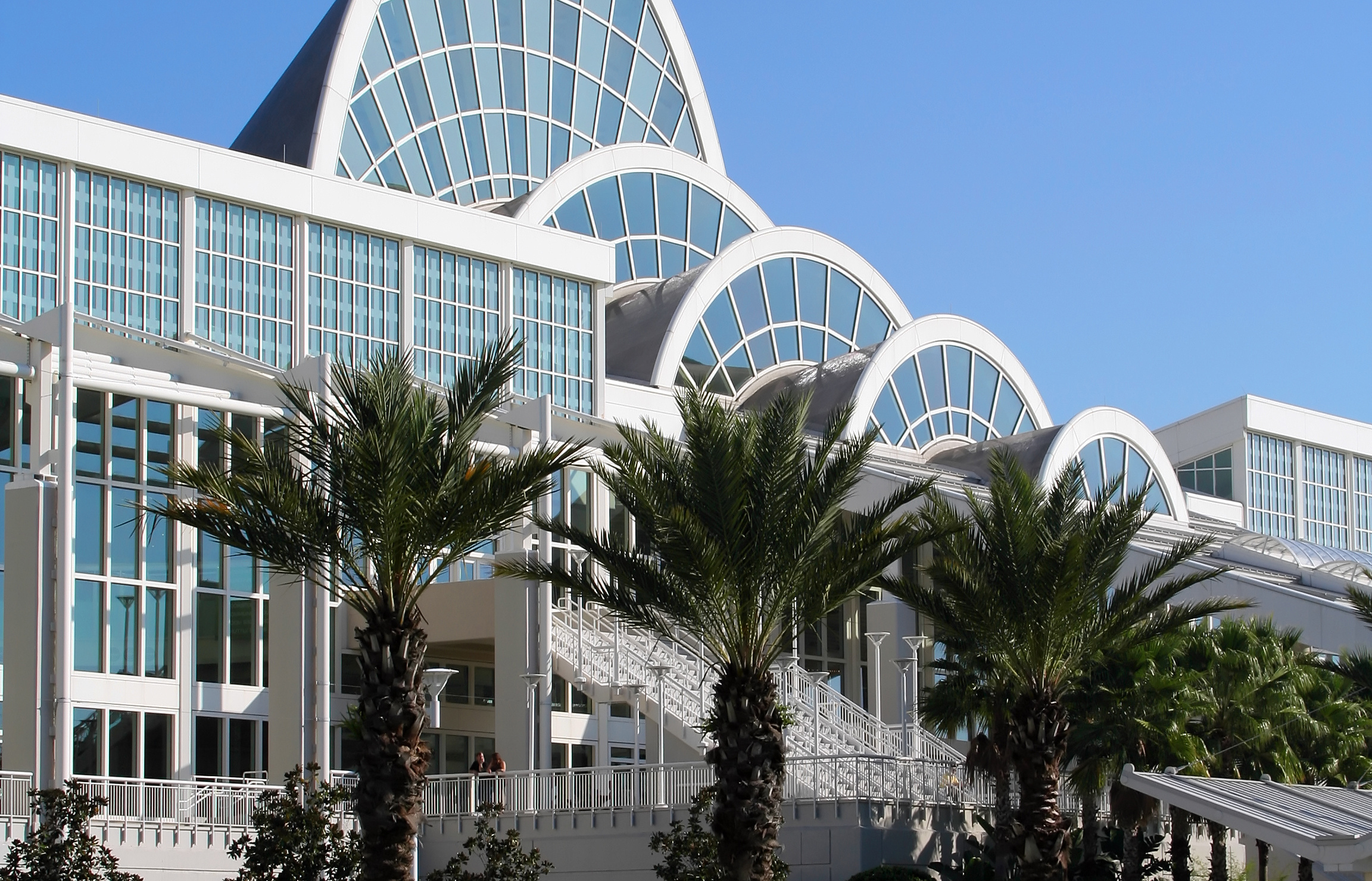
JOIN US IN ORLANDO
If you haven’t registered for ACR Convergence 2026, register today to participate in this year’s premier rheumatology experience, November 6–11 in Orlando, Florida. All registered participants receive on-demand access to scientific sessions after the meeting through September 30, 2027.