A number of new diagnostic and laboratory testing tools are becoming available to clinicians to help them deliver precision medicine to patients. A three-person panel will showcase how future rheumatologists will use these new tools to better understand the underlying causes of a diagnosis and how those tools could change how clinicians traditionally think about medicine.
The session Future-Ready Rheumatologists: Reimagining Training for the Era of Genetics, Precision Medicine, and Cellular Therapies will take place on Tuesday, November 10, from 10–11:30 a.m., in Room W110A of the Orange County Convention Center. A recording of the session will be available to registered participants of ACR Convergence 2026 for on-demand viewing.
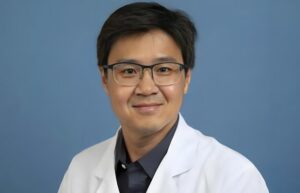
“My session is to showcase using new-age immune laboratory evaluation to understand the underlying immune pathways and processes that are somewhat independent of the clinical phenotype,” said Yike Jiang, MD, PhD, Assistant Professor of Pediatric Rheumatology at Duke University and Director of the Immune Dysregulation Kids Clinic.
Dr. Jiang said that classical training is built around differential diagnoses, tests to rule them out, and determining the next steps for therapy based on the most likely diagnosis. But not all illnesses fit into this neat pathway.
“I treat children with immune dysregulation,” Dr. Jiang said. “There’s some kind of immune-mediated basis for their illness. We try very hard to define their illnesses into our textbook boxes, and it just doesn’t fit. What I have evolved to do is to use immune tests to tell me which pathways in the immune system are dysregulated or are good candidates to target with therapy.”
By showcasing how these tests have been useful to her, Dr. Jiang hopes other clinicians will have the confidence to send for tests that they wouldn’t have sent for in the past.
She said that one situation familiar to pediatric rheumatologists is the dysregulation of interleukin-18 (IL-18) in systemic juvenile idiopathic arthritis (JIA), where the typical treatment pathway is to use steroids followed by an IL-1 blockade. But despite this treatment, she said, one young patient’s IL-18 continued to climb until she eventually developed symptomatic manifestations of her illness.
This was, said Dr. Jiang, “an early flag—before she had any symptoms—that this therapy path that we were on was not going to work. And I needed to use something broader and perhaps more directed at the IL-18 pathways in order to abrogate her disease. So, I switched to a JAK [Janus kinase] inhibitor, and on a JAK inhibitor, her disease has behaved differently in that the IL-18 has not climbed. It has declined, and it’s declined to the lowest levels it’s ever been.”
Dr. Jiang will also introduce participants to the use of an interferon test, which can measure how monocytes react to type 1 and type 2 interferons.
“We’ve postulated for years that lupus, juvenile dermatomyositis, and certain kinds of dermatomyositis are interferon-driven. We just haven’t been able to measure that reliably. Now we can,” Dr. Jiang said.
These kinds of tests are on the cutting edge of precision medicine.
“Our diagnostics and our immune evaluation are getting more precise,” Dr. Jiang said. “And soon, very soon, I think there’s going to be a marriage of the two where this test means this drug. We’re not quite there yet, but that’s where we’re headed.”
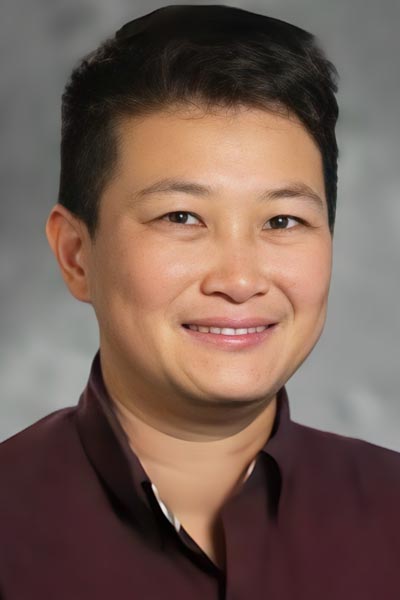
Hanna Faghfoury, MD, Clinical and Metabolic Geneticist at SickKids at Mount Sinai Hospital and University Health Network, and Associate Professor at the University of Toronto, Canada, will explain how next-generation sequencing on genomic DNA may be used as a diagnostic tool in rheumatology.
Jay Mehta, MD, Pediatric Rheumatologist and Program Director of Pediatric Rheumatology Fellowship at the Children’s Hospital of Philadelphia, will explain how to build curricula around these new diagnostic and laboratory testing tools to better prepare clinicians of the future.

JOIN US IN ORLANDO
If you haven’t registered for ACR Convergence 2026, register today to participate in this year’s premier rheumatology experience, November 6–11 in Orlando, Florida. All registered participants receive on-demand access to scientific sessions after the meeting through September 30, 2027.