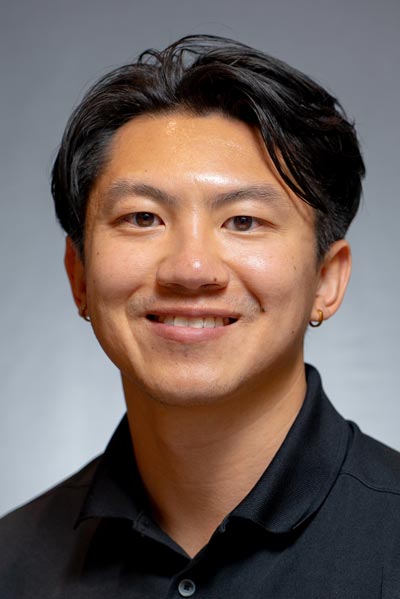
Abstract Presenter: Hilbert Nguyen, PT, DPT, The University of North Carolina – Chapel Hill
Abstract Title: Development and Initial Implementation of a Consultative Physical Therapy for Rheumatology Program
Abstract Session: Abstracts: Orthopedics, Low Back Pain, & Rehabilitation (2959-2964), 11:30 a.m.–1 p.m., Wednesday, November 11
What is your abstract about?
Dr. Nguyen: We adapted a novel model of physical therapy (PT) for rheumatic disease. The consultative model of PT is a proactive model designed to deliver expert exercise guidance to keep people active in their lives and differs from a traditional model of PT that is reactive to a decline in physical function or health status.
Why did you decide to investigate this topic?
Dr. Nguyen: In prior studies, our team has learned that referrals to PT from rheumatologists in the U.S. are rare, yet patients described wanting expert guidance on how to stay physically active and maintain their function early after their diagnosis. Learning from the consultative model of PT developed in neurodegenerative disease, we adapted and implemented the model for rheumatic disease.
Also, this abstract was the culmination of my graduate student preceptorship from the Rheumatology Research Foundation.
What are you working on next related to this research?
Dr. Nguyen: We are working on developing more rigorous research studies to evaluate the effectiveness of this model of care, as well as adapting the resources and approaches to meet the broad spectrum and presentations of rheumatic disease.
What excites you most about your work?
Dr. Nguyen: I’m excited to bring physical therapy more directly into rheumatology care and help patients see how movement can support their health and function.
What are you most looking forward to at ACR Convergence 2026 in Orlando?
Dr. Nguyen: I’m looking forward to connecting with others who share my interest in rheumatology and rehabilitation, and learning how we can better integrate PT into rheumatology care. I’m excited to share our work and continue exploring how PT can improve the lives of people with rheumatic diseases.

JOIN US IN ORLANDO
If you haven’t registered for ACR Convergence 2026, register today to participate in this year’s premier rheumatology experience, November 6–11 in Orlando, Florida. All registered participants receive on-demand access to scientific sessions after the meeting through September 30, 2027.