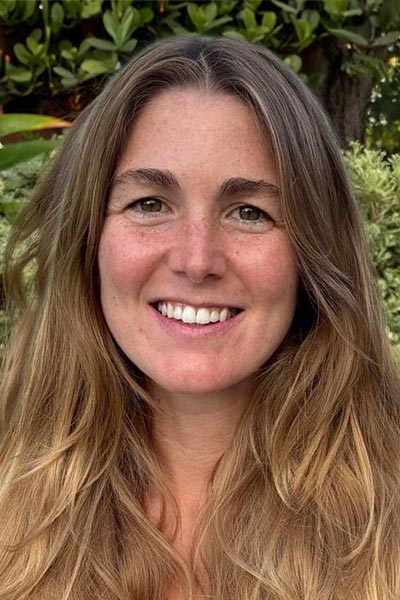
Abstract Presenter: Marta Sala-Climent, BSc, PhD, Postdoctoral Researcher, Division of Rheumatology, Department of Medicine, University of California, San Diego
Abstract Title: Distinct Microbiome and Metabolomic Multi-Omic Trajectories Associated with Clinical Response to Two Anti-Inflammatory Dietary Interventions in Rheumatoid Arthritis
Abstract Session: Abstracts: Behavioral & Lifestyle Factors in Interventions (0944-0949), 4–5 p.m., Sunday, November 8
What is your poster about?
Dr. Sala-Climent: My poster explores how changes in the gut microbiome and metabolites relate to clinical response in people with rheumatoid arthritis (RA) following the ITIS anti-inflammatory diet or a Mediterranean diet. We assess response through a reduction in pain of at least 50% or clinically meaningful improvement in disease activity, using the minimal clinically important difference (MCID) in the Clinical Disease Activity Index (CDAI). Our goal is to understand why people respond differently to dietary interventions and help inform more personalized nutritional approaches.
Why did you decide to investigate this topic?
Dr. Sala-Climent: While studying nutrition, I became increasingly interested in the role diet can play in chronic diseases. I had always been fascinated by the gut microbiome, and this research brought those two interests together. I began investigating anti-inflammatory diets in RA to understand how dietary changes might help patients and why some people benefit more than others.
What are you working on next related to this research?
Dr. Sala-Climent: I am currently sequencing samples from another randomized study comparing the ITIS anti-inflammatory diet with a Mediterranean diet in patients with osteoarthritis (OA). This will allow us to explore whether the microbiome patterns associated with clinical response in RA are also seen in OA, or whether each condition has distinct signatures.
What excites you most about your work?
Dr. Sala-Climent: What excites me most is connecting the biology of the gut microbiome with something as familiar as what we eat every day. Understanding why people respond differently to dietary changes could help us develop more personalized nutritional strategies to complement treatment. The possibility that this research could help reduce pain and improve patients’ daily lives is what motivates me most.
What are you most looking forward to at ACR Convergence 2026 in Orlando?
Dr. Sala-Climent: I’m most looking forward to sharing our findings and exchanging ideas with researchers and clinicians from around the world. I’m especially excited to hear new perspectives on nutrition and the microbiome in rheumatic diseases, receive feedback on our work, and build connections that could lead to future collaborations.
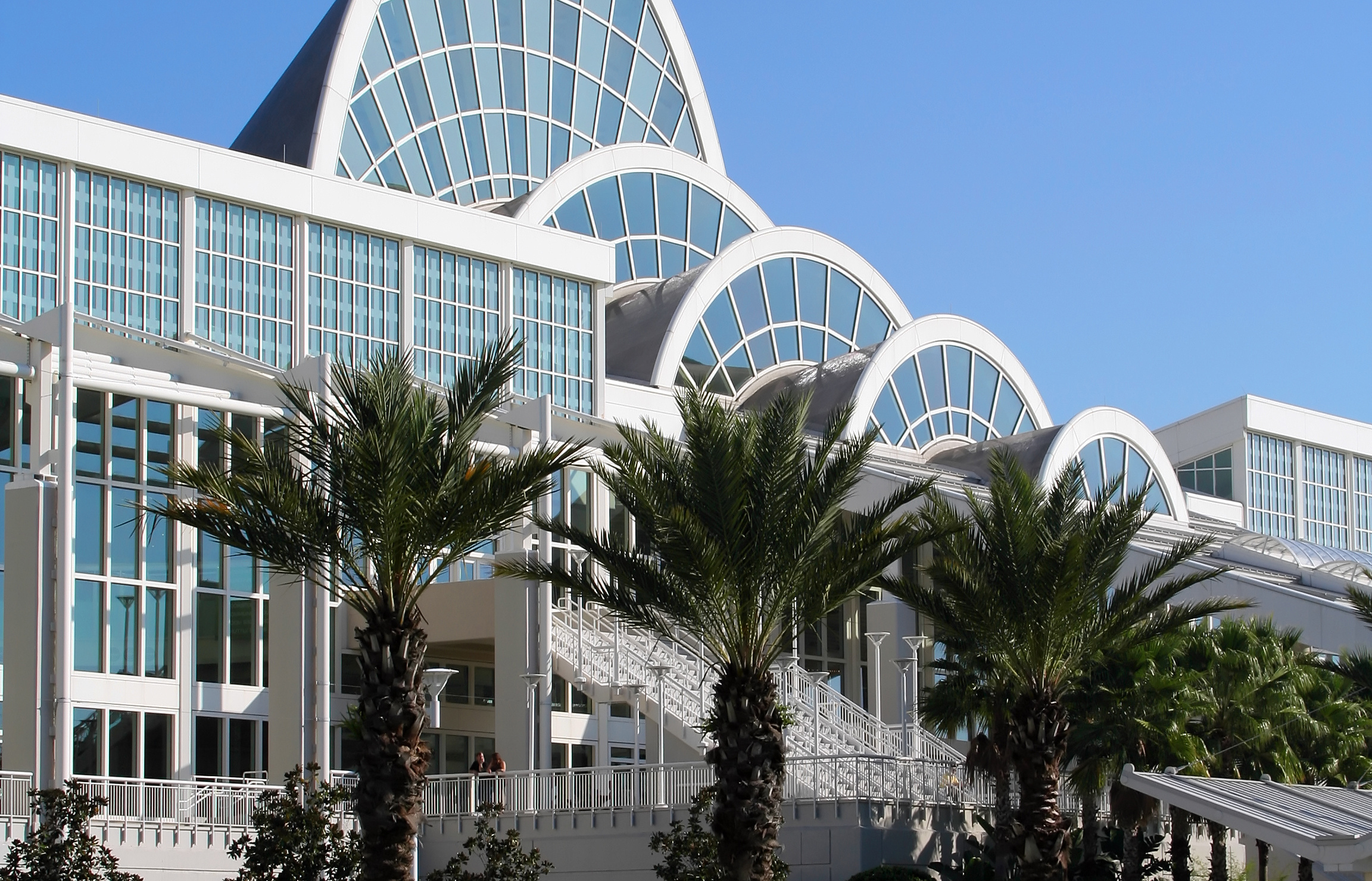
JOIN US IN ORLANDO
If you haven’t registered for ACR Convergence 2026, register today to participate in this year’s premier rheumatology experience, November 6–11 in Orlando, Florida. All registered participants receive on-demand access to scientific sessions after the meeting through September 30, 2027.