


Issue 3 AM
-
Year in Review Highlights Cutting-Edge Papers and Concepts Advancing Rheumatology
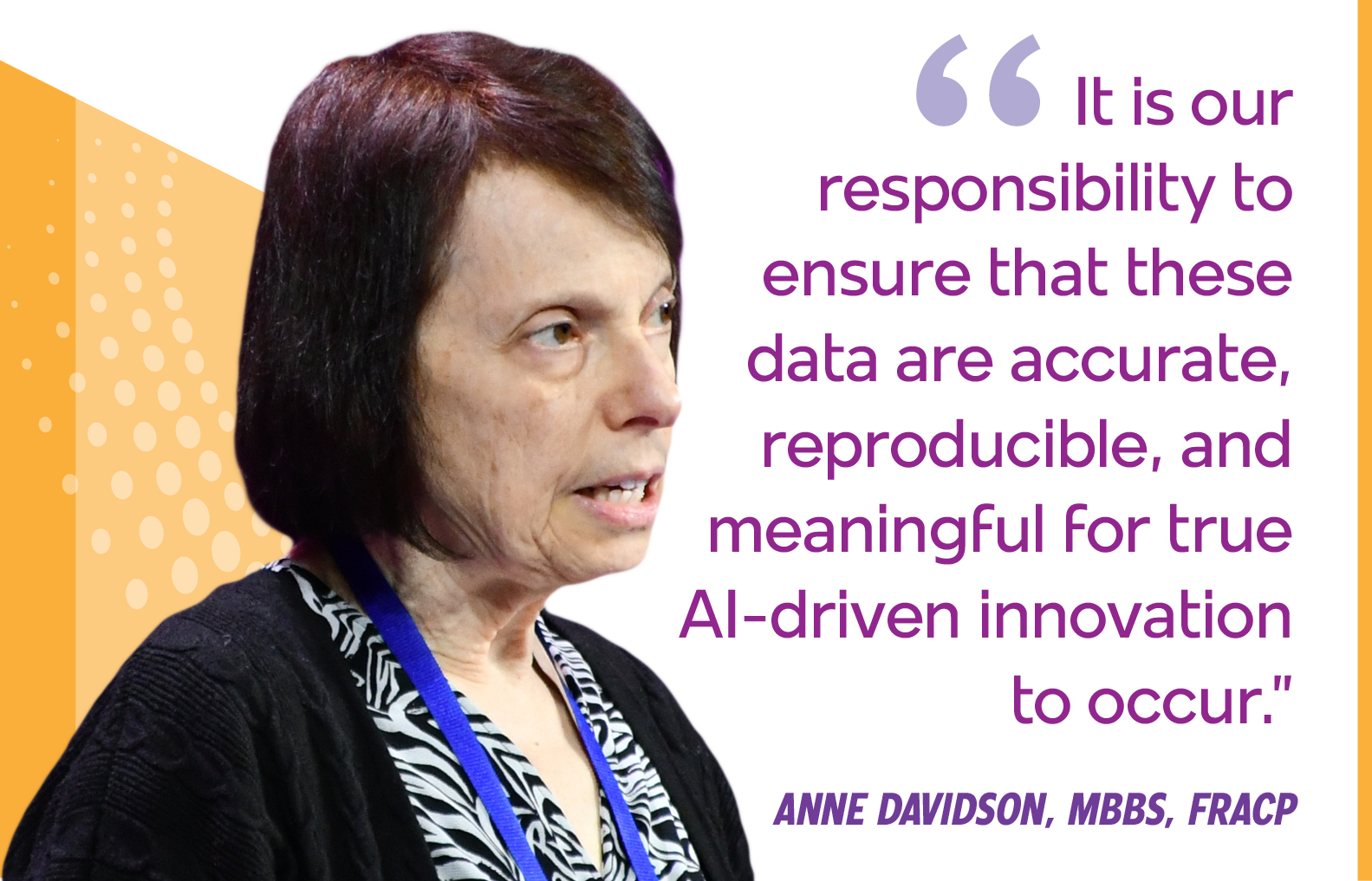
Anne Davidson, MBBS, FRACP, shared recent literature furthering the fundamental science of rheumatology, including the use of artificial intelligence in drug development, while Bryant England, MD, PhD, detailed new developments in clinical science that have been published in the past year, including Sjögren’s disease terminology.
-
ARP Year in Review Offers Updates in Clinical Practice, Basic Science, and Rehab
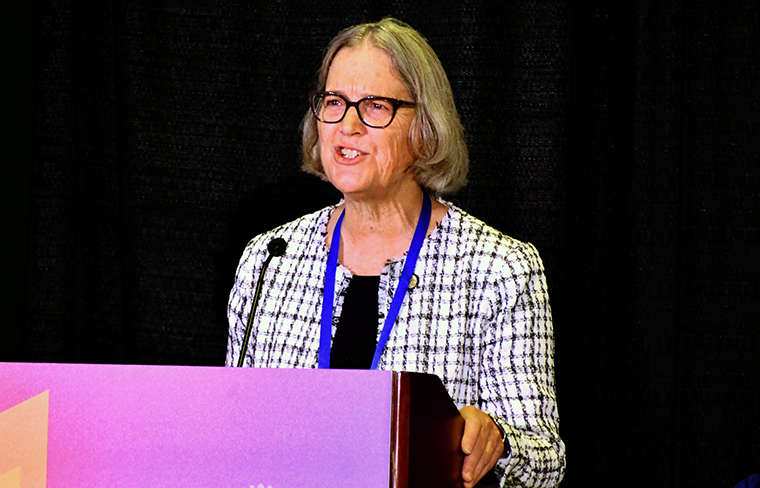
Basia Belza, RN, PhD, opened the session with clinical highlights. She was joined by Marian Hannan, DSc, MPH, who focused on basic science, and Carol Oatis, PhD, PT, who discussed rehabilitation.
-
Croft Memorial Lecturer to Review a Century of Evolution in RA Treatment
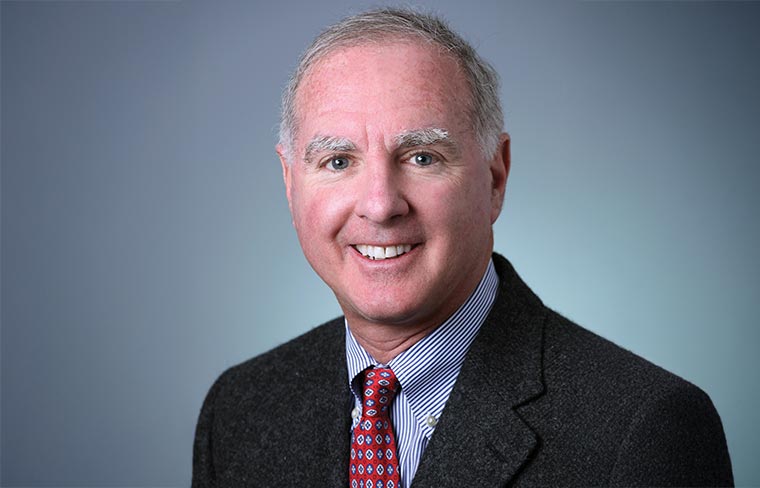
Michael Weinblatt, MD, will outline how past approaches, such as gold therapy in the 1930s, and the advanced biologics being used today have laid the groundwork for future rheumatoid arthritis therapies.
-
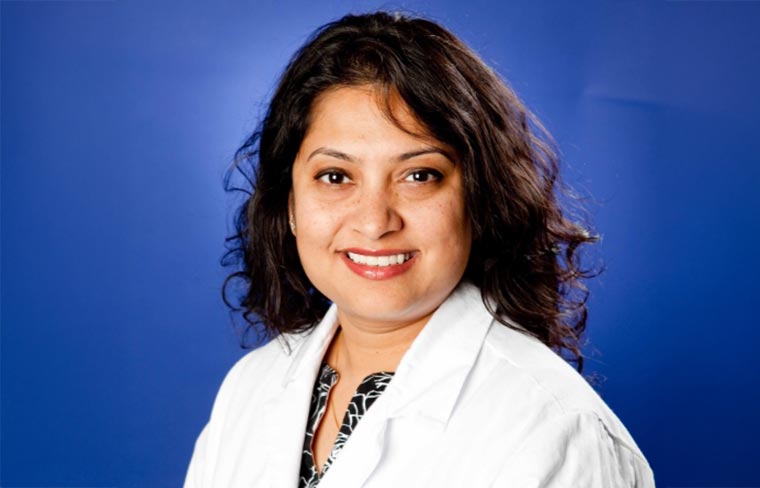
Patient Perspectives Session to Amplify Innovative Solutions to Challenging Rheumatic Diseases
Five presentations will highlight practical interventions crafted by people living with rheumatic disease that can be applied in daily life by other patients. Session moderator Puja Khanna, MD, MPH, explains the importance of understanding patients’ lived experiences.
-
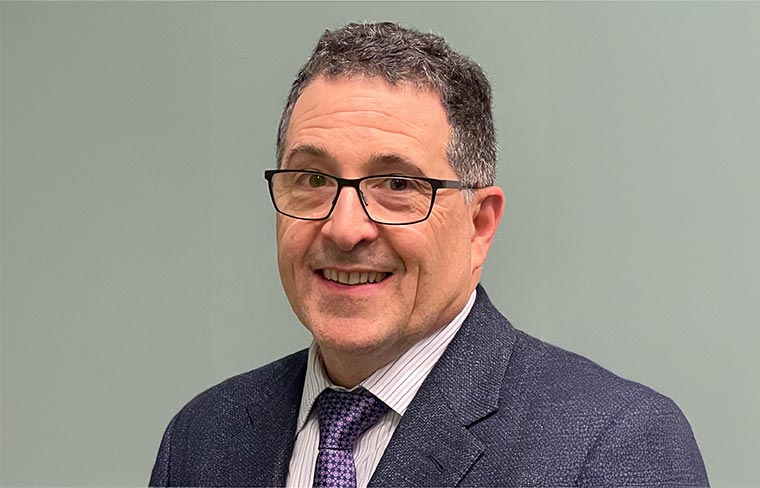
Noted Researcher to Discuss How Synovial Lymphatic System Dysfunction Drives RA Progression
Edward Schwarz, PhD, will explore the cellular and molecular mechanisms that impact rheumatoid arthritis progression, including joint drainage, immune regulation, and chronic inflammation.
-
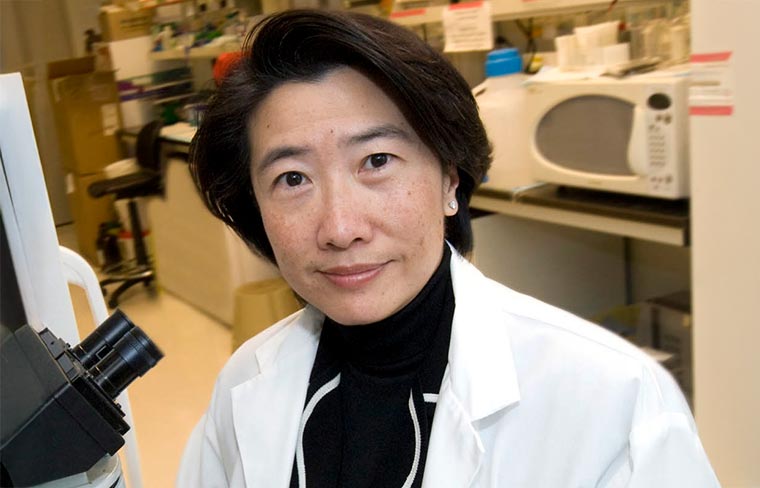
UCAN CAN-DU: Changing the Paradigm in Childhood Arthritis Toward a Cure
Rae Yeung, MD, PhD, and others from the Understanding Childhood Arthritis Network’s Canada-Netherlands Personalized Medicine Network in Childhood Arthritis and Rheumatic Diseases will outline new developments in juvenile idiopathic arthritis (JIA) facilitated by a team science approach to translational research.
-
Does Physical Activity Differ Among Those with Autoimmune vs Non-Autoimmune Rheumatic Diseases?
Sydney Liles, PT, DPT, MS
-
Patient Portal Awareness and Utilization Across Diverse Rheumatology Populations
Allyson Covello, MD