

Pre-Meeting 2026
-
Three-Day Series to Examine the Latest Developments in Cellular Immunotherapy for Rheumatic Disease
Experts will provide an overview of the immunobiology of cellular therapies for rheumatic diseases, examine which diseases might be most responsive to these therapies, share results from recent clinical trials, and debate the correct pace for the widespread use of cellular therapy in rheumatology.
-

Basic Science Sessions to Share New Insights on Trending Topics
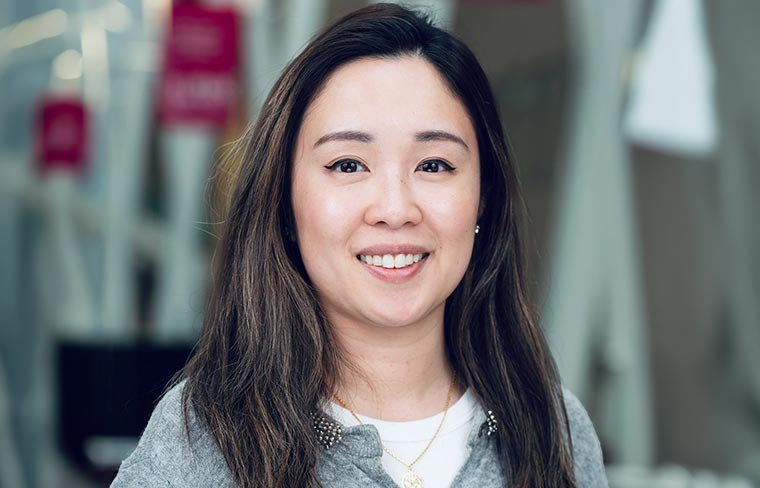
This track is designed to highlight the latest research to help further understanding of the biology underlying rheumatic diseases and explain how this knowledge can be leveraged to develop new therapeutics. Theresa Lu, MD, PhD, previews what attendees can expect.
-
ARP Track Amplifies Varied Perspectives from Interprofessional Rheumatology Teams
Charmayne M. Dunlop-Thomas, MS, MPH, details what attendees can expect from this track, including special lectures on food and inflammation, life with fibromyalgia, and patient-centered community engagement in research.
-
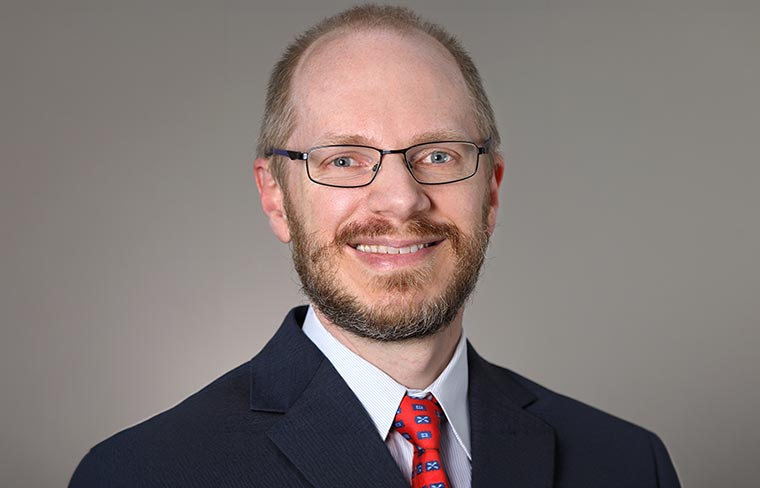
BCRC to Explore AI’s Increasing Potential to Shape Rheumatology Research
The Basic & Clinical Research Conference will address what questions the rheumatology community should be asking as artificial intelligence technologies develop. Joshua Denny, MD, MS, will give the keynote address.
-
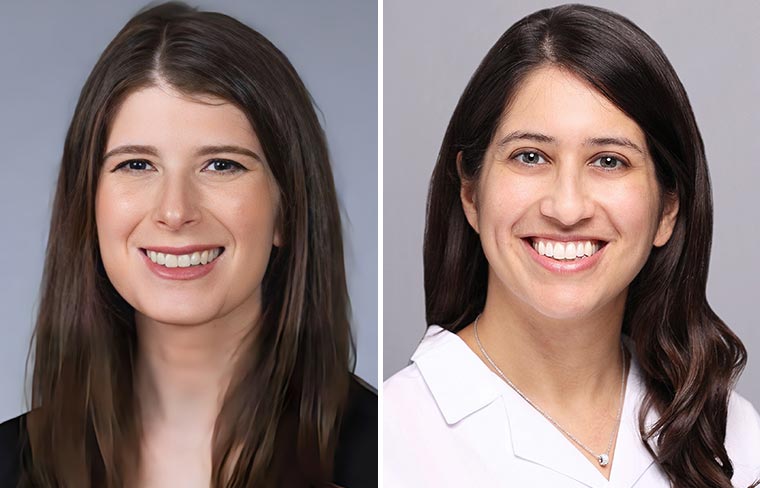
Preconference Review Course to Provide Comprehensive Update on Clinical Care in Rheumatology
The six lectures in this half-day course will share knowledge about novel approaches to diagnosis, recognizing rare but serious manifestations of rheumatic disease, the transition from pediatric to adult care for people living with disease, and the latest treatment updates.
-
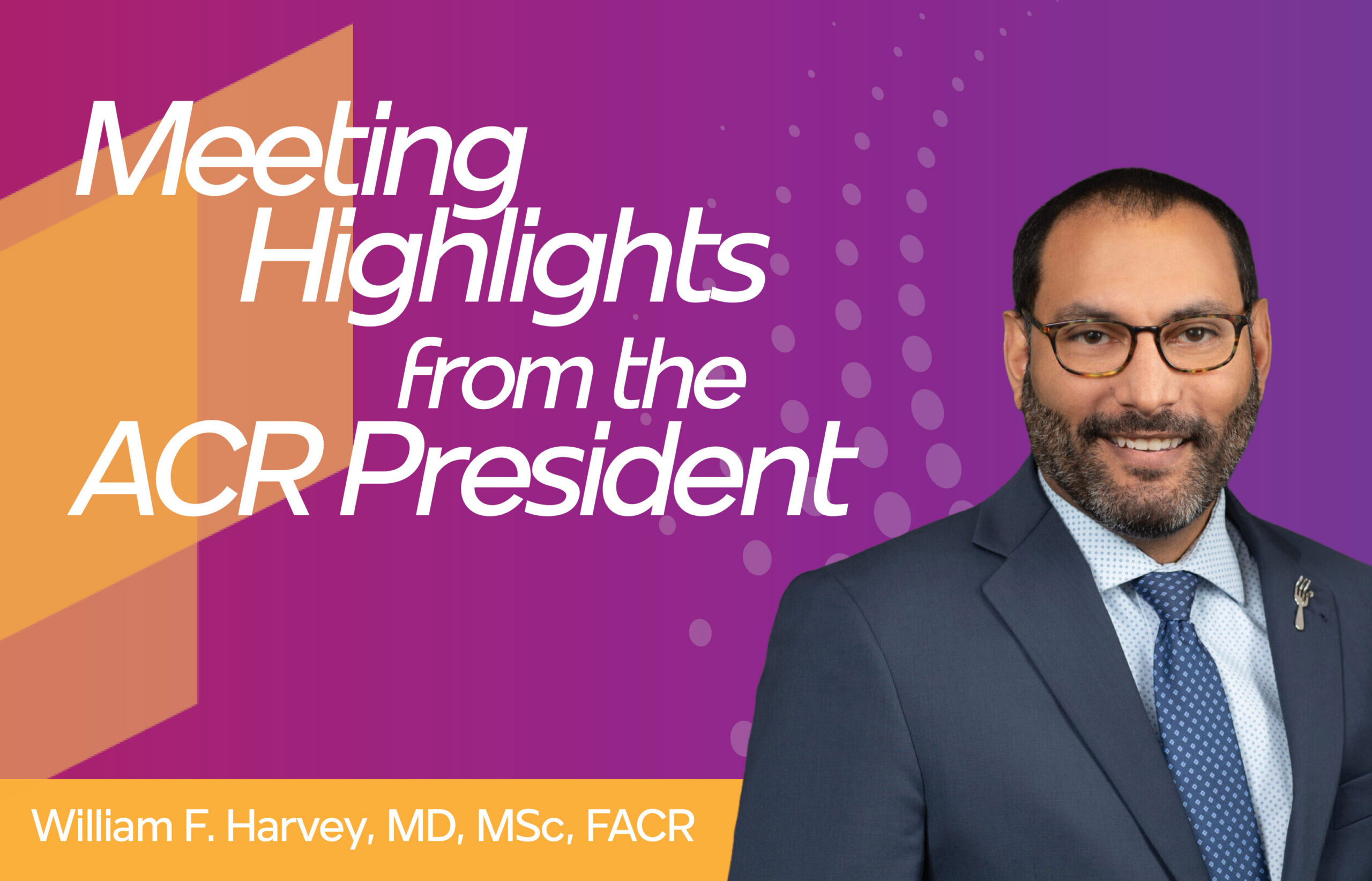
ACR Convergence 2026 Promotes Innovation and Unity in Rheumatology
ACR President William F. Harvey, MD, MSc, FACR, invites rheumatologists, scientists, and other healthcare professionals to Orlando, Florida, to collaborate, network, and learn about the latest advancements in the field.
-
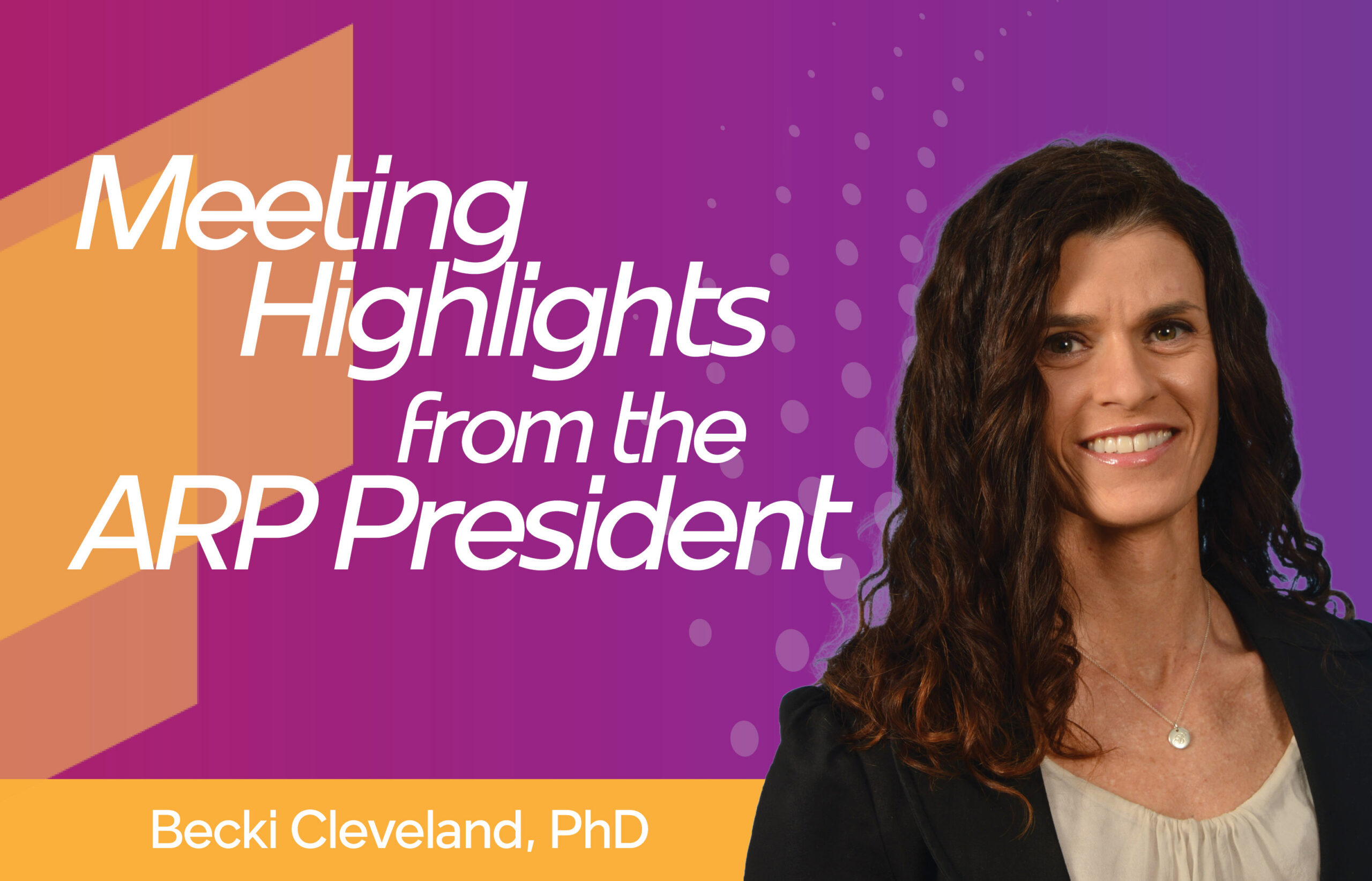
2026 Program Informs, Inspires, and Empowers Every Member of the Rheumatology Care Team
ARP President Becki Cleveland, PhD, details what attendees can expect at ACR Convergence 2026, including ARP special lectures, as well as insights on nutrition, artificial intelligence, physical activity, and more.
-
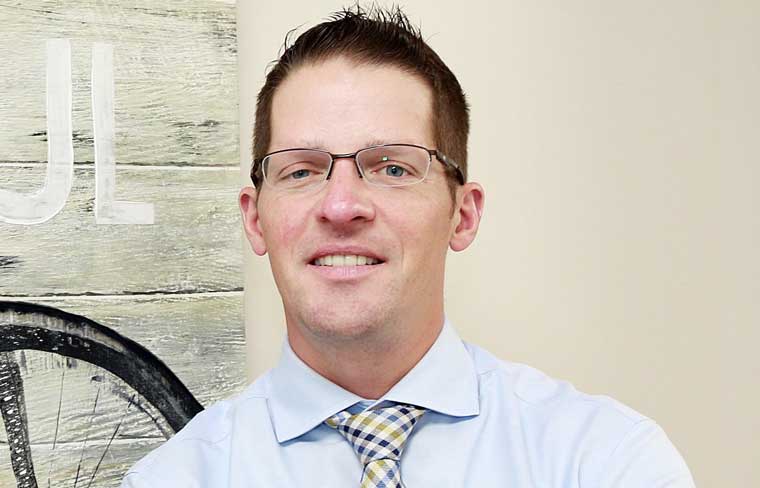
Practice Innovation Summit Returns with CME Offerings
The Practice Innovation Summit will focus on building strong and financially sustainable rheumatology practices. This preconference add-on to in-person registration will feature expert insights in educational presentations, peer-to-peer networking, and more. Chris Phillips, MD, details what’s in store.
-
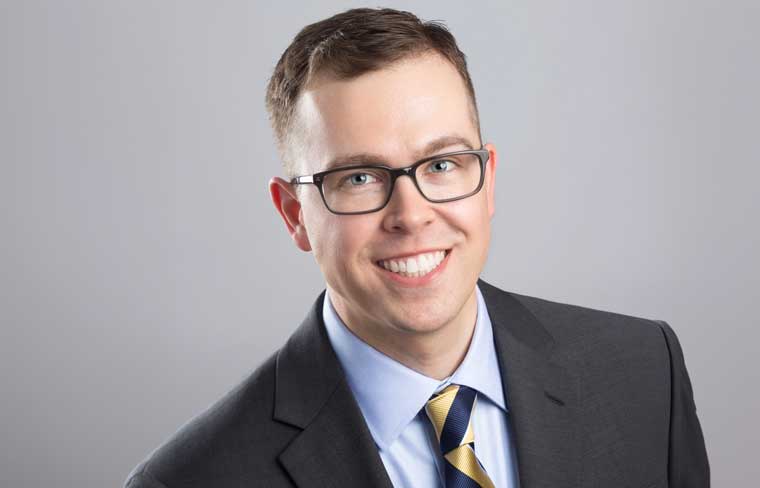
Meet the Professor Sessions Combine Global Expertise and Interactive Learning
More than three dozen one-hour sessions offer the opportunity to discuss clinical case studies with world-renowned experts in a small-group setting. Adam Kilian, MD, FACP, FACR, explains how each of these add-on sessions explores a particular rheumatic disease, including individualized, evidence-based treatment plans.
-
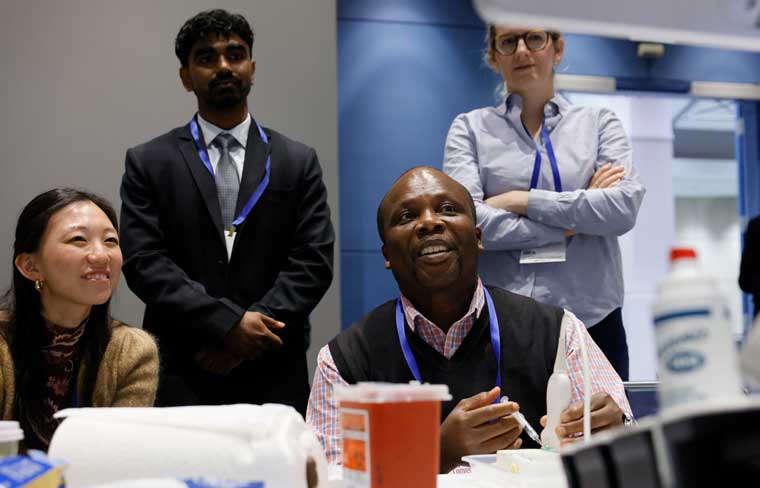
Ultrasound Conferences and Workshops Offer Expanded Opportunities for Early Career and Advanced Professionals
Under the close guidance of experienced faculty, participants in the Basic Musculoskeletal Ultrasound Course and Intermediate-Advanced Rheumatologic Ultrasound Course will develop and refine the technical scanning skills required for real-world clinical practice. Ultrasound education continues in two November 8 workshops.