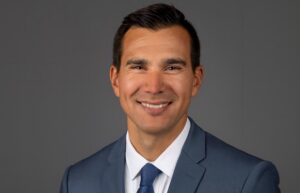
Poster Presenter: Richa Purohit, MD, Rheumatology Fellow, University of Central Florida College of Medicine and HCA Florida Osceola Hospital

Poster Session: (1770-1794) Clinical Practice/Patient Care Poster B, 10:30 a.m.–12:30 p.m., Monday, November 9
What is your poster about?
Dr. Purohit: We used national U.S. Department of Veterans Affairs data to compare two classes of diabetes medication, glucagon-like peptide-1 (GLP-1) receptor agonists and dipeptidyl peptidase-4 (DPP-4) inhibitors, in more than 4,000 matched veterans with rheumatoid arthritis (RA), lupus, or other connective tissue diseases and type 2 diabetes. GLP-1 receptor agonist use was associated with a 14% lower risk of major cardiovascular events or death. The association was strongest among patients who lost more than 5% of their body weight.
Why did you decide to investigate this topic?
Dr. Purohit: Our patients with autoimmune disease have higher cardiovascular risk than their cholesterol or blood pressure would predict, because chronic inflammation drives much of it. GLP-1 receptor agonists have proven cardiovascular benefits in diabetes and also appear to have anti-inflammatory effects. We wanted to know whether that benefit carries over to rheumatology patients, a group largely missing from the major cardiovascular trials.
What are you working on next related to this research?
Dr. Purohit: We are preparing the full manuscript for publication. We haven’t finalized a follow-up study yet, but these results raise interesting questions, particularly about the role of weight loss, that we hope to explore in future work.
What excites you most about your work?
Dr. Purohit: It answers a practical question. Many of our patients have diabetes, and choosing one glucose-lowering drug over another is a decision rheumatologists can influence today. Showing that this choice may also affect cardiovascular outcomes in our patients is a meaningful step toward treating the whole patient, not only the joints.
What are you most looking forward to at ACR Convergence 2026 in Orlando?
Dr. Purohit: Orlando is home for me, so I’m excited to welcome the rheumatology community to my city. I’m looking forward to discussing this work with clinicians and researchers at the poster session and learning about new cardiometabolic and immunology research.

JOIN US IN ORLANDO
If you haven’t registered for ACR Convergence 2026, register today to participate in this year’s premier rheumatology experience, November 6–11 in Orlando, Florida. All registered participants receive on-demand access to scientific sessions after the meeting through September 30, 2027.