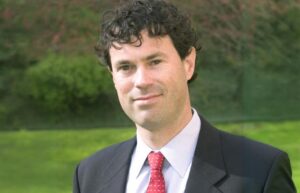
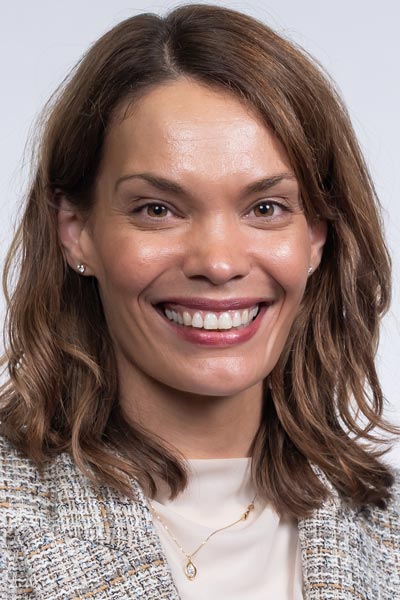
Poster Presenter: Jessica Fairley, PhD, MBBS (Hons), FRACP, Postdoctoral Fellow, Schroeder Arthritis Institute, Toronto, Canada
Poster Title: Identifying the Mechanisms of Reduced Exercise Capacity in Systemic Sclerosis with Exercise Cardiac Magnetic Resonance Imaging
Poster Session: (1183-1208) Systemic Sclerosis & Related Disorders – Diagnosis, Manifestations, & Outcomes Poster B, 10:30 a.m.–12:30 p.m., Monday, November 9
What is your poster about?
Dr. Fairley: This study looks at exercise capacity in people with scleroderma but without other heart disease. We took a group of people with scleroderma and a group of controls, and compared their exercise capacity, showing a 24% reduction in people with scleroderma. To understand why this happens, we did exercise cardiac MRIs in our cohort (meaning participants had to pedal in the MRI scanner) to see how their hearts move in response to exercise. We found that the amount the heart pumped in people with scleroderma increased less than in controls, particularly in those with lower exercise tolerance.
Why did you decide to investigate this topic?
Dr. Fairley: We know that people with scleroderma have impaired exercise tolerance compared to age- and sex-matched individuals, which results in symptoms like breathlessness and fatigue. We also know that people with scleroderma have scarring in the heart muscle (fibrosis), which we hypothesized could affect the heart’s pumping in response to increased demands like exercise. So, we decided to test this by looking at exercise cardiac MRI, which to our knowledge hasn’t previously been done in scleroderma outside of pulmonary hypertension screening.
What are you working on next related to this research?
Dr. Fairley: We are currently looking at the heart in other autoimmune diseases like rheumatoid arthritis (RA) and lupus, as well as using some other datasets to look at treatments in scleroderma.
What excites you most about your work?
Dr. Fairley: It is exciting to show a clear functional correlate of the heart muscle scar we’ve identified in our previous work. I’m also excited to be able to show our patients that there is a good reason why they feel breathless, tired, and that they can’t keep up with their friends and family even in the absence of pulmonary hypertension or other heart disease. It is easy to be dismissive of these sorts of symptoms as clinicians, as there is often not a lot we can do, but these symptoms are important to patients, and studies like this help us to understand and validate the patient experience.
What are you most looking forward to at ACR Convergence 2026 in Orlando?
Dr. Fairley: The opportunity to listen to so much wonderful science and learn some new things from colleagues!
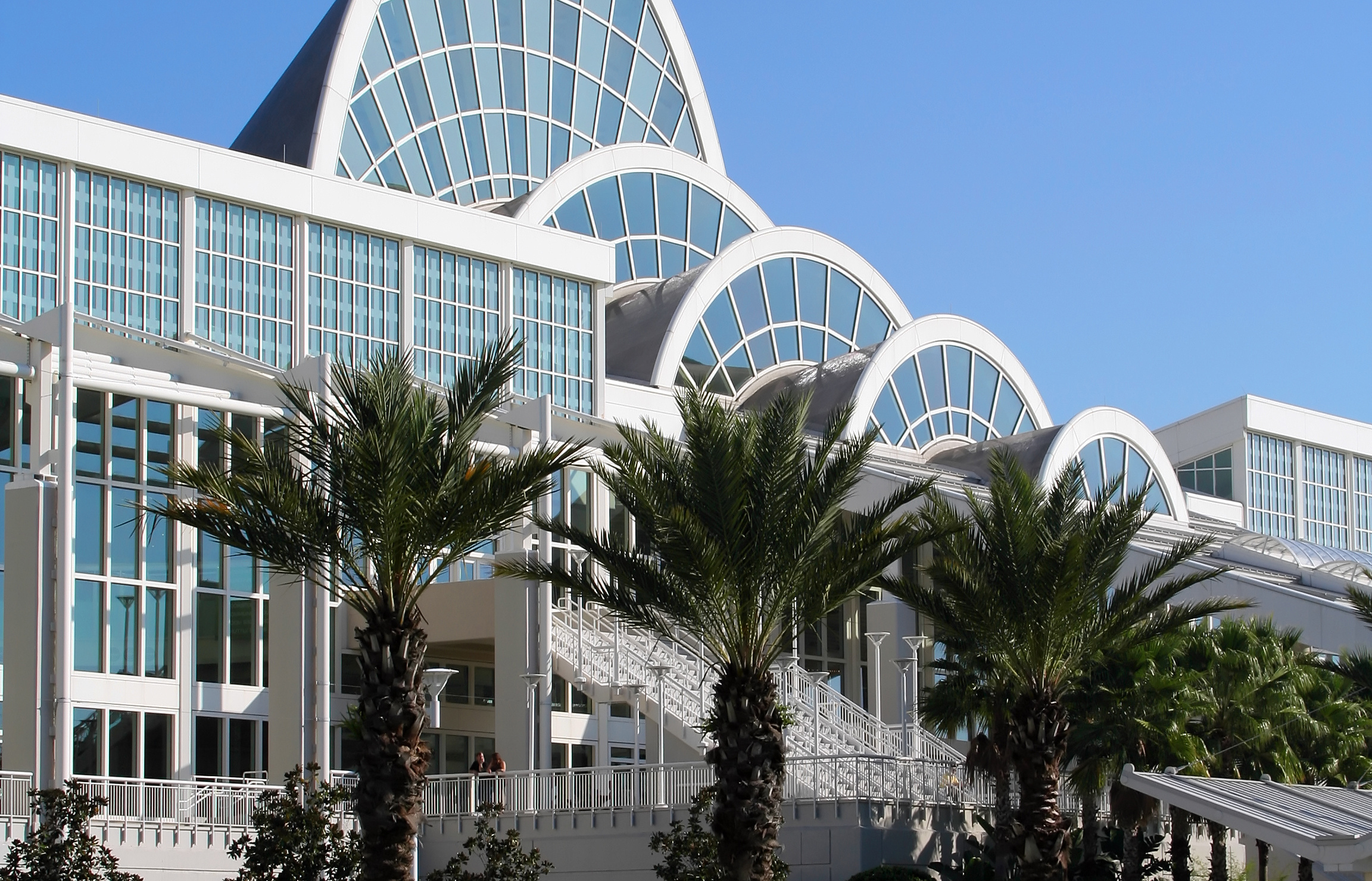
JOIN US IN ORLANDO
If you haven’t registered for ACR Convergence 2026, register today to participate in this year’s premier rheumatology experience, November 6–11 in Orlando, Florida. All registered participants receive on-demand access to scientific sessions after the meeting through September 30, 2027.