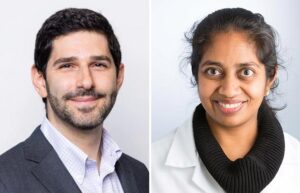
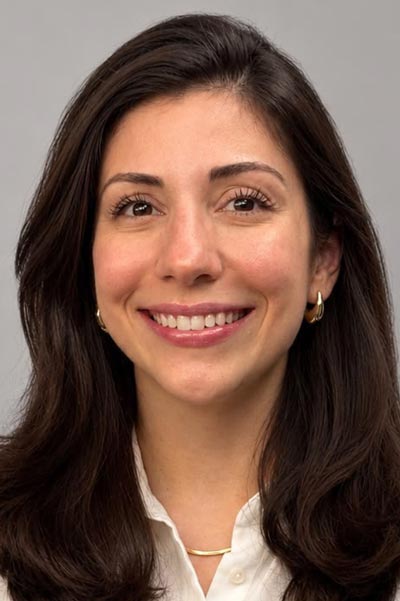
Poster Presenter: Barbara Pontes Aires, MD, Pediatric Rheumatology Fellow, Hospital for Special Surgery
Poster Session: Pediatric Rheumatology – Basic and Translational Science Poster C, 10:30 a.m.–12:30 p.m., Tuesday, November 10
What is your poster about?
Dr. Pontes Aires: Juvenile dermatomyositis (JDM) is a rare autoimmune disease, and myositis-specific autoantibodies can help define distinct clinical subgroups. We still have much to learn about how these antibodies relate to disease activity over time and the B cells that produce them. In this study, we examined longitudinal anti-Mi2 antibody levels in patients with JDM and investigated their relationship with disease activity and Mi2-specific B cell responses. By combining serial antibody measurements with antigen-specific B cell assays and single-cell sequencing, we linked clinical patterns of antibody responses to individual B cell clones and generated Mi2-reactive monoclonal antibodies. Our findings provide new insights into the relationship between autoantibody dynamics and the underlying immune response in JDM.
Why did you decide to investigate this topic?
Dr. Pontes Aires: As a pediatric rheumatology fellow, I am interested in understanding why patients with seemingly similar diagnoses can have very different disease courses and treatment responses. Myositis-specific autoantibodies offer an important window into the biology of JDM, but a positive antibody test captures only one point in time and tells us relatively little about the cells responsible for producing those antibodies. We wanted to investigate how these responses evolve over time and connect to the underlying B cell biology. I was especially excited by the opportunity to bring together clinical data and cutting-edge immunology to address a question that could ultimately improve how we understand and monitor this rare disease.
What are you working on next related to this research?
Dr. Pontes Aires: Our next step is to characterize the Mi2-reactive monoclonal antibodies we have generated in greater depth. We plan to investigate their binding properties and the characteristics of the B cell clones that produce them, and perform functional assays to explore their potential biological effects. By combining these approaches, we hope to better understand how Mi2-specific immune responses develop, persist, and potentially contribute to disease in JDM.
What excites you most about your work?
Dr. Pontes Aires: What excites me most is the opportunity to connect what we observe in our patients with the underlying mechanisms of disease. Being able to identify antigen-specific B cells, trace their clonal relationships, and generate monoclonal antibodies allows us to move from observing associations to asking more mechanistic questions. Because JDM is a rare disease, every step toward a deeper understanding of its biology can be meaningful for improving the way we study, monitor, and eventually treat these patients.
What are you most looking forward to at ACR Convergence 2026 in Orlando?
Dr. Pontes Aires: I am looking forward to sharing our findings with the rheumatology community and hearing how other researchers and clinicians approach similar questions. I am excited for the opportunity to learn from colleagues working in the field, receive feedback on our research, and exchange ideas that may help guide our next steps.
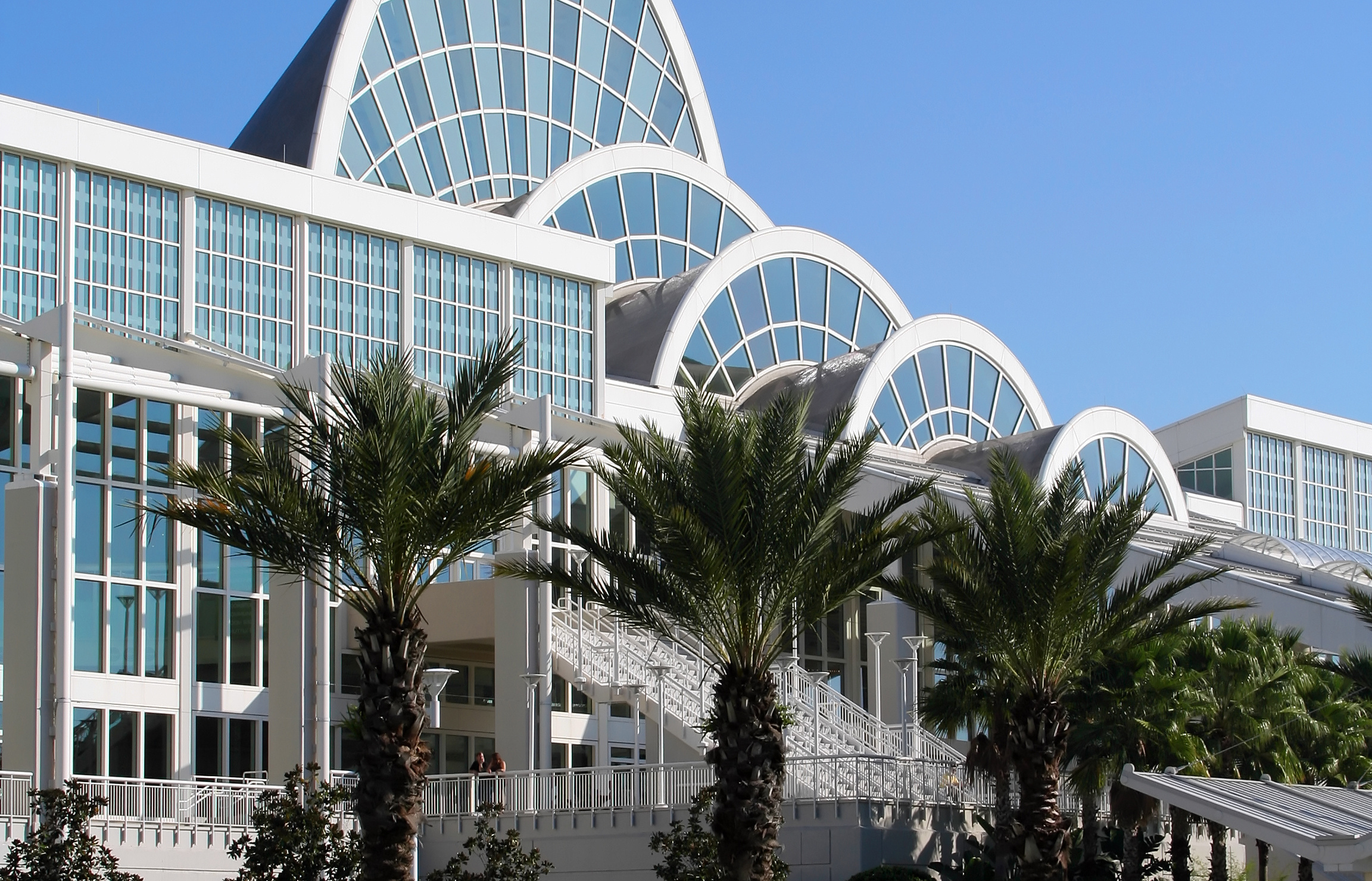
JOIN US IN ORLANDO
If you haven’t registered for ACR Convergence 2026, register today to participate in this year’s premier rheumatology experience, November 6–11 in Orlando, Florida. All registered participants receive on-demand access to scientific sessions after the meeting through September 30, 2027.