2025
-

Clinical Features of Elderly-Onset Systemic Lupus Erythematosus
Jessica Dai, BS
-

Panelists to Discuss Understanding and Use of Machine Learning in Rheumatology
Experts, including Jamie Collins, PhD, will explain how investigators and clinicians can leverage a key element in artificial intelligence models to read, interpret, and apply new research.
-

Great Debate to Tackle Merits of Ultrasound vs. Biopsy for GCA Diagnosis
Tanaz Kermani, MD, MS, and Wolfgang Schmidt, MD, MACR, will debate whether and when to perform a biopsy to diagnose one of the most common forms of vasculitis in adults, and whether ultrasound can preclude the need to perform biopsies.
-

Session to Spotlight the Interplay of Autoimmune Diseases and the Microbiome
A multidisciplinary panel, including Renuka Nayak, MD, PhD, will review clinical and translational aspects of GI tract involvement in autoimmune rheumatic diseases. Research suggests that gut microorganisms may influence both the development of rheumatoid arthritis and response to treatment.
-
Pediatric Rheumatology Session Promises to Be a (Ka)Hoot for Attendees
An interactive, game-based session on Tuesday morning will focus on two core diseases: juvenile myositis and vasculitis. Coordinators Susan Shenoi, MD, MS, and Pui Lee, MD, PhD, preview the friendly competition.
-
Year in Review Highlights Cutting-Edge Papers and Concepts Advancing Rheumatology
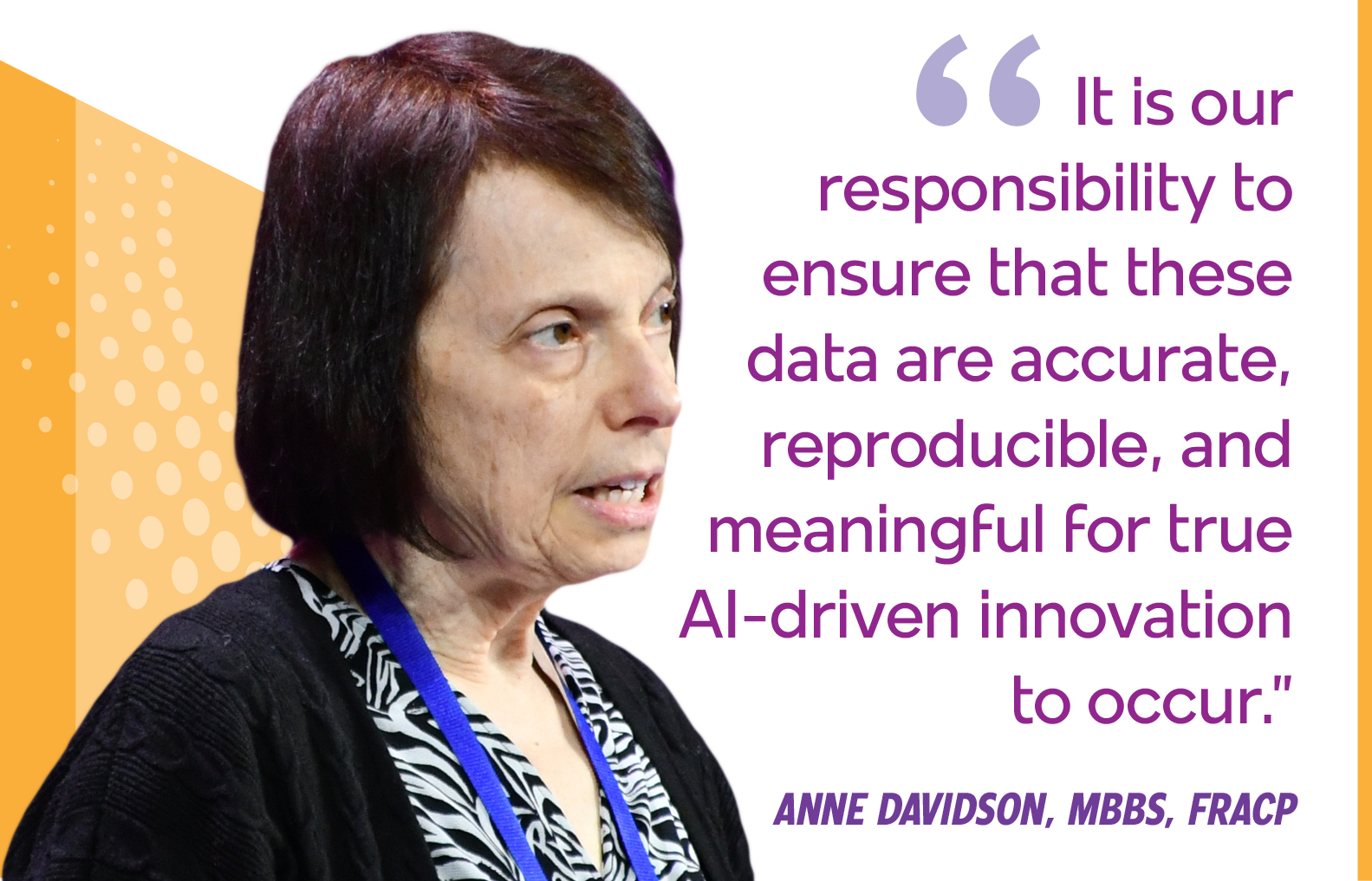
Anne Davidson, MBBS, FRACP, shared recent literature furthering the fundamental science of rheumatology, including the use of artificial intelligence in drug development, while Bryant England, MD, PhD, detailed new developments in clinical science that have been published in the past year, including Sjögren’s disease terminology.
-
ARP Year in Review Offers Updates in Clinical Practice, Basic Science, and Rehab
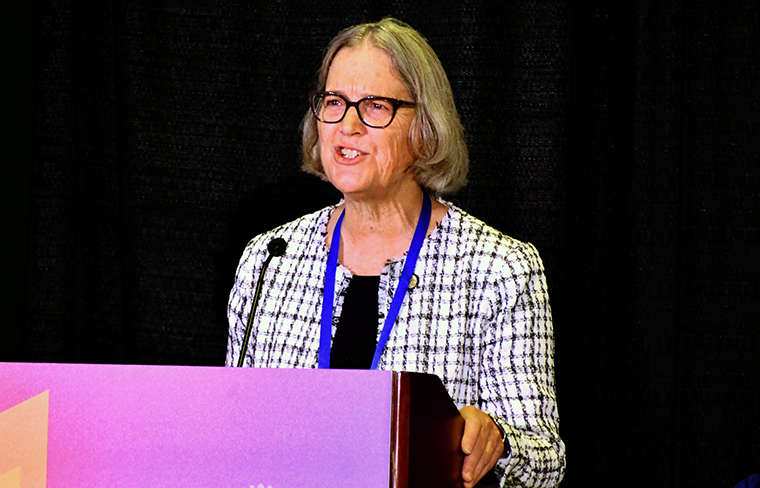
Basia Belza, RN, PhD, opened the session with clinical highlights. She was joined by Marian Hannan, DSc, MPH, who focused on basic science, and Carol Oatis, PhD, PT, who discussed rehabilitation.
-
Croft Memorial Lecturer to Review a Century of Evolution in RA Treatment
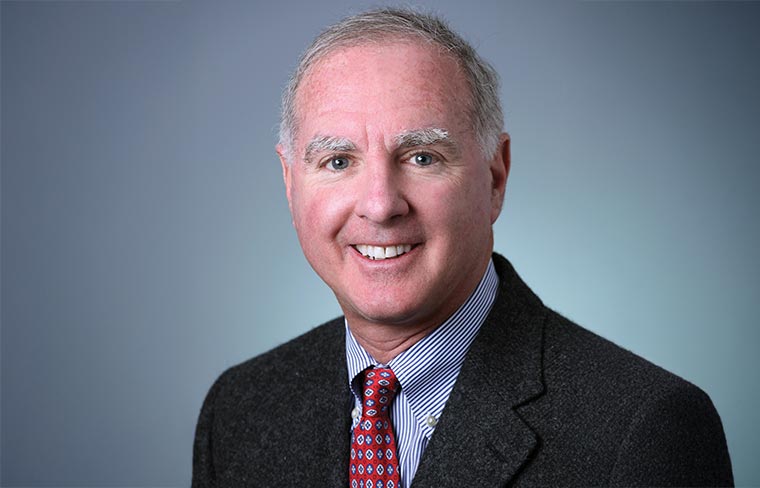
Michael Weinblatt, MD, will outline how past approaches, such as gold therapy in the 1930s, and the advanced biologics being used today have laid the groundwork for future rheumatoid arthritis therapies.